
Common Mistakes to Avoid During Air Conditioning Installation
Installing an air conditioning system involves several critical steps that must be executed correctly to ensure optimal performance and longevity. One common mistake during installation is choosing the wrong size unit for the space. Many homeowners assume a larger unit will cool more effectively, but oversized systems can lead to short cycling, increased energy consumption, and uneven cooling. Conversely, undersized units struggle to maintain comfortable temperatures and run continuously, which also wastes energy and wears out components prematurely. Proper sizing requires careful calculation of room dimensions, insulation quality, window placement, and local climate conditions.
Another frequent error is poor placement of the outdoor condenser unit. Installing dive into it too close to walls or in confined spaces restricts airflow necessary for heat dissipation. Placing the condenser near sources of heat such as direct sunlight or exhaust vents can reduce efficiency by forcing the system to work harder. Additionally, neglecting proper clearance around both indoor and outdoor units limits accessibility for maintenance and repairs.
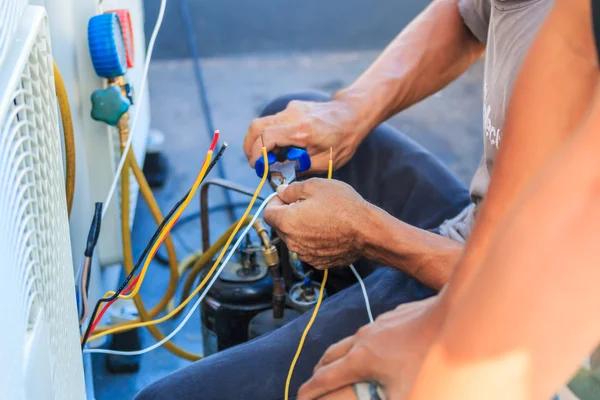
Incorrect refrigerant charging presents a significant issue during installation as well. Technicians sometimes add too much or too little refrigerant due to improper measurement or lack of experience with specific models. Overcharging leads to high pressure inside the system that damages compressors while undercharging results in insufficient cooling capacity and potential freezing of coils. Accurate charging based on manufacturer specifications ensures reliable operation.
Failing to seal ductwork properly often goes unnoticed but severely impacts overall system performance. Leaky ducts allow conditioned air to escape into unconditioned areas like attics or crawl spaces, increasing energy costs while reducing comfort indoors. Similarly, inadequate insulation around ducts causes temperature loss along their length.
Electrical wiring mistakes are another area where problems arise during installation. Using incorrect wire gauges or failing to follow local electrical codes risks fire hazards and equipment damage over time. Proper grounding protects against electrical surges that could harm sensitive components within the air conditioner.
Ignoring manufacturer guidelines throughout installation compromises warranties and may lead to premature failure of parts due to improper handling or assembly techniques not suited for specific models.
Lastly, rushing through installation without thorough testing prevents early detection of issues such as leaks in refrigerant lines or malfunctioning thermostats before finalizing setup.
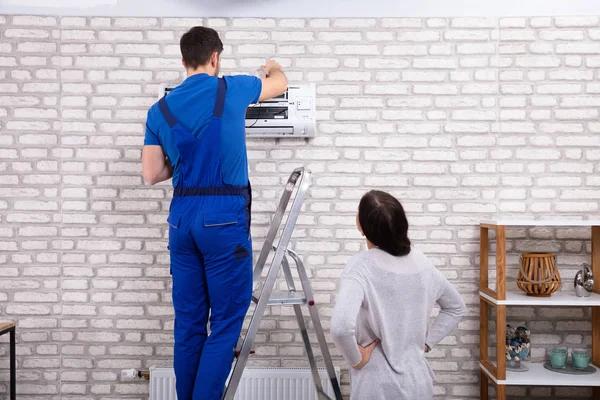
Avoiding these errors requires hiring qualified professionals who adhere strictly to industry standards combined with careful planning tailored specifically for each property’s unique needs.


0