
Home Renovation Techniques for Better Space and Design
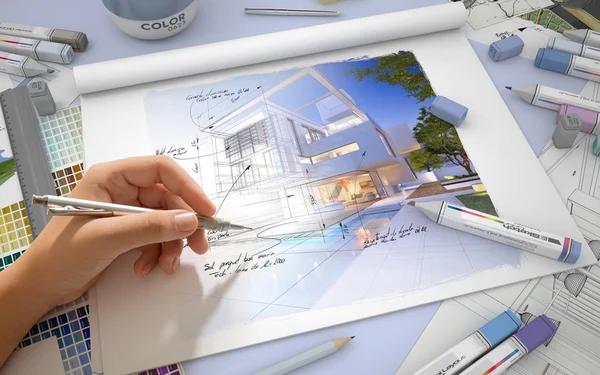
Home renovation offers an excellent opportunity to enhance both the functionality and aesthetic appeal of your living space. When aiming for better space utilization and improved design, it is essential to adopt techniques that maximize available areas while creating a cohesive and inviting atmosphere. One effective approach involves reconfiguring the layout by removing non-load-bearing walls or partitions. This can open up rooms, allowing natural light to flow more freely and making spaces feel larger than they actually are. Open-plan designs have become increasingly popular because they encourage social interaction and provide flexibility in furniture arrangement.
Another important technique is incorporating built-in storage solutions. Custom cabinets, shelving units, and under-stair storage help reduce clutter without encroaching learn more on this page valuable floor space. By integrating these storage options seamlessly into the design, homeowners can maintain clean lines and a minimalist look that contributes to a sense of orderliness. Additionally, choosing multifunctional furniture pieces such as sofa beds or expandable dining tables further enhances usability in smaller homes.
Lighting plays a crucial role in transforming interiors during renovations. Layered lighting strategies that combine ambient, task, and accent lights create depth and highlight architectural features or decorative elements effectively. Installing skylights or enlarging windows also increases daylight penetration, which not only improves mood but reduces energy consumption through decreased reliance on artificial lighting.
Selecting appropriate materials complements spatial improvements by adding texture and visual interest without overwhelming the senses. For example, using reflective surfaces like glass backsplashes or polished tiles helps bounce light around rooms while maintaining durability in high-traffic areas like kitchens or bathrooms. Warm wood tones paired with neutral wall colors establish balance between modernity and comfort.
When redesigning kitchens or bathrooms-spaces often limited in size-considering vertical expansion can yield significant benefits. Tall cabinetry reaching up to the ceiling utilizes otherwise wasted space for storage while drawing eyes upward to create an illusion of height. Similarly, installing floating vanities frees up floor area beneath sinks for easier cleaning and gives an airy impression.
Floor plans that emphasize flow between indoor zones improve overall livability by reducing bottlenecks caused by awkward door placements or narrow corridors. Thoughtful positioning of furniture ensures clear pathways remain unobstructed while defining separate functional areas within open layouts through rugs or subtle changes in flooring material.
Finally, paying attention to details such as trim work, hardware finishes, window treatments, and color coordination ties together different elements harmoniously throughout renovated spaces. These finishing touches elevate design quality without requiring extensive structural changes.
In summary, successful home renovation techniques focus on opening up interiors through strategic layout modifications; optimizing storage with built-ins; enhancing lighting naturally and artificially; selecting complementary materials; expanding vertically where possible; improving circulation patterns; and refining details carefully-all contributing toward better use of space combined with appealing design aesthetics suitable for modern living environments.




0