
How Professional Technicians Address Common HVAC Problems
Professional technicians play a crucial role in ensuring that HVAC (Heating, Ventilation, and Air Conditioning) systems operate efficiently and effectively. These systems are essential for maintaining comfortable indoor environments in both residential and commercial settings. However, like any complex system, HVAC units can experience various issues over time. Professional technicians are equipped with the knowledge and skills to diagnose and address these common problems.
One of the most frequent issues encountered by HVAC technicians is inadequate airflow. This problem often arises from clogged or dirty air filters, which restrict the flow of air through the system. Technicians address this issue by inspecting the filters during routine maintenance visits and replacing them as needed. Regular filter replacement not only improves airflow but also enhances indoor air quality by reducing dust and allergens.
Another common problem is refrigerant leaks, which can significantly impair an HVAC system’s cooling capabilities. Technicians use specialized tools to detect leaks within the refrigerant lines or coils. Once identified, they repair or replace the affected components and recharge the system with the correct amount of refrigerant to restore optimal performance.
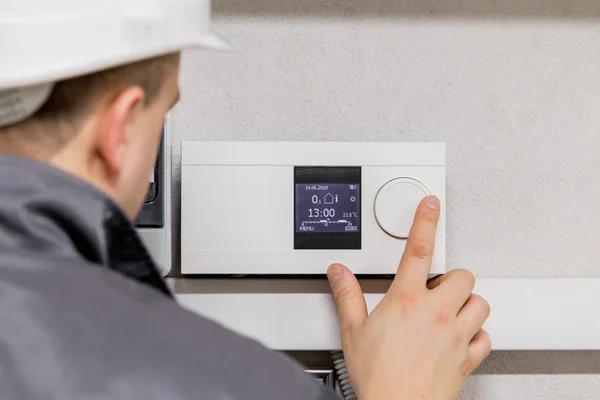
Thermostat malfunctions are another prevalent issue that technicians encounter. A faulty thermostat can lead to inconsistent temperatures or cause the system to browse website cycle on and off frequently. To resolve this issue, technicians first check for simple problems such as incorrect settings or dead batteries. If necessary, they recalibrate or replace thermostats to ensure accurate temperature control.
HVAC systems may also suffer from electrical issues that disrupt their operation. Faulty wiring, blown fuses, or tripped circuit breakers can prevent a unit from functioning correctly. Technicians diagnose electrical problems using multimeters and other diagnostic tools to pinpoint faults within the electrical components of an HVAC system before making repairs.
In addition to addressing specific mechanical problems, professional technicians emphasize preventive maintenance as a key strategy for avoiding major breakdowns. Regular maintenance includes cleaning coils, lubricating moving parts, checking ductwork for leaks or obstructions, and verifying overall system performance.
Technicians also educate homeowners about proper usage practices that prolong equipment life while maximizing efficiency—such guidance ranges from setting appropriate temperature levels when away from home so energy isn’t wasted unnecessarily all day long; closing blinds/curtains at strategic times throughout each day helps regulate heat gain/loss indoors naturally without relying solely upon artificial means like heating/cooling appliances alone!
By understanding how professional technicians approach common HVAC challenges—from diagnosing complex mechanical failures down through educating clients about best practices—they provide invaluable support keeping vital climate control systems running smoothly year-round!



0