
A Detailed Look at How Edibles Affect the Body Differently Than Smoking
Edibles and smoking are two popular methods of consuming cannabis, each offering distinct experiences due to their unique interactions with the body. Understanding these differences is crucial for users seeking specific effects or therapeutic benefits.
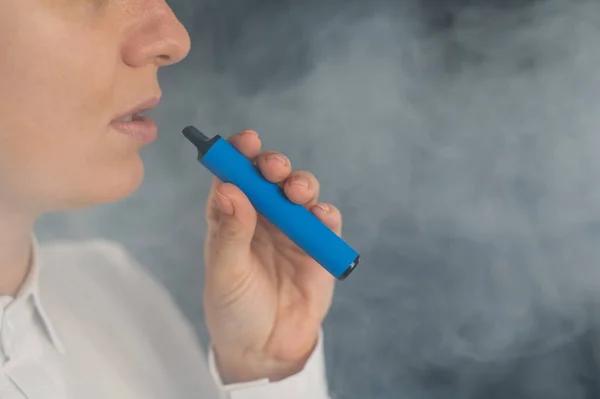
When cannabis is smoked, the active compounds, primarily THC (tetrahydrocannabinol), enter the bloodstream rapidly through the lungs. This quick absorption results in almost immediate effects, typically within minutes. The high from smoking peaks relatively quickly and can last anywhere from one to three hours. This method allows users to gauge their level of intoxication and adjust consumption accordingly.
In contrast, edibles introduce cannabinoids into the body through ingestion. Once consumed, they pass through the digestive system where they are metabolized by the liver before entering the bloodstream. This process converts THC into 11-hydroxy-THC, a compound known for its potent psychoactive properties. As a result, edibles often produce more intense and longer-lasting effects compared to smoking.
The onset time for edibles is significantly delayed compared to inhalation methods; it can take anywhere from 30 minutes to two hours for users to feel any effects. This delay often leads inexperienced consumers to ingest more than intended while waiting for a high that seems slow in coming—a common pitfall that can result D8 GAS in an overwhelming experience once the full effects set in.
Moreover, because edibles are processed differently by each individual’s metabolism, factors such as weight, diet, and tolerance levels can greatly influence how one experiences them. For some people, even small doses can lead to powerful highs lasting upwards of six hours or more.
Another key difference lies in dosage control. Smoking provides immediate feedback on how much cannabis has been consumed based on its instantaneous effect; this makes it easier for users to find their optimal dose without overdoing it. Edibles require careful attention to dosing information provided on packaging since their delayed onset means there’s no instant feedback loop like with smoking.
Furthermore, edibles offer discretion and convenience absent in traditional smoking methods—they lack odor and do not expose others nearby to secondhand smoke—making them an appealing option for those who prefer subtlety or have respiratory concerns associated with inhaling smoke.



0