
Dressed in History The Visual Appeal of Men’s Hanfu Clothing
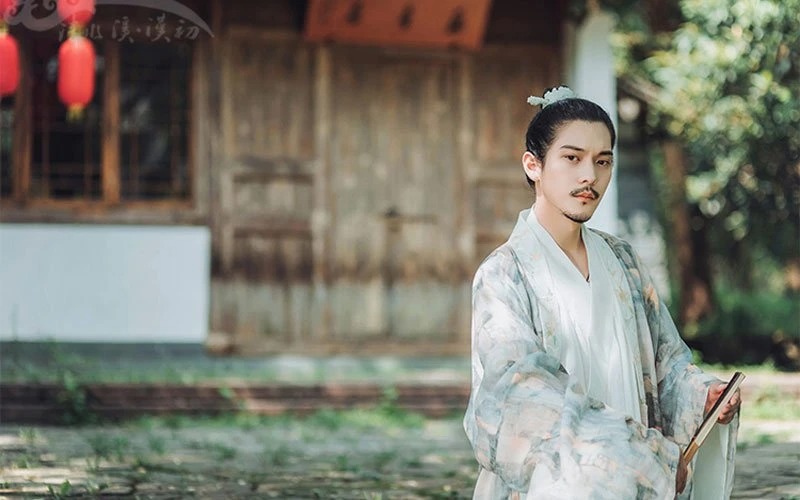
The resurgence of traditional clothing in contemporary fashion has sparked a renewed interest in cultural heritage, and the Hanfu—a traditional Chinese attire—is at the forefront of this movement. Men’s Hanfu, with its rich history and striking visual appeal, offers a fascinating glimpse into China’s sartorial past while simultaneously influencing modern style.
Hanfu, which translates to “Han clothing,” refers to the historical dress worn by the Han Chinese before the Qing dynasty’s establishment in 1644. This attire is characterized by its flowing robes, wide sleeves, and intricate designs that vary according to different dynastic influences. The men’s Hanfu typically consists of several layers: an inner garment known as zhongyi, a middle layer called zhongdan or shan, and an outer robe referred to as paofu or changshan. These garments are often complemented by sashes or belts that add both functionality and aesthetic appeal.
One of the most captivating aspects of men’s hanfu male is its visual grandeur. The fabric choices—often silk or cotton—are not only practical but also luxurious. Silk provides a smooth texture that drapes elegantly over the body, exuding sophistication and grace. Meanwhile, cotton offers comfort and breathability for everyday wear. The colors used in Hanfu are equally significant; they range from bold reds symbolizing prosperity to serene blues representing tranquility.
The patterns embroidered on these garments further enhance their beauty. Common motifs include dragons symbolizing power and authority; clouds representing good fortune; and cranes denoting longevity. Each design element carries deep cultural significance, transforming each piece into more than just clothing—it becomes a narrative woven into fabric.
In recent years, there has been a revival of interest in wearing traditional attire such as Hanfu among younger generations seeking connection with their cultural roots amid globalization’s homogenizing forces. This renaissance is partly fueled by social media platforms where enthusiasts share photos showcasing how they integrate ancient styles into modern wardrobes seamlessly.
Moreover, events like International Chinese Costume Day celebrate this timeless fashion form globally by encouraging people worldwide—not limited only within China—to don these elegant outfits regardless if one shares ethnic ties directly back towards those who originally wore them centuries ago themselves personally speaking too!


0