
How Poor Ventilation Affects Air Quality and Human Health Indoors
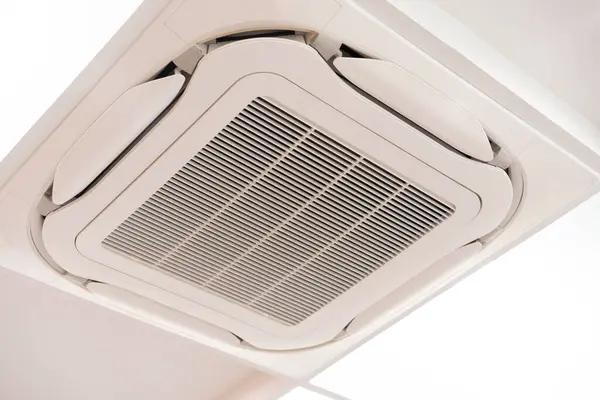
Poor ventilation is a significant issue that affects air quality and human health indoors. Inadequate ventilation can lead to the accumulation of pollutants, moisture, and odors, which in turn can have detrimental effects on both the environment inside buildings and the health of their occupants. Understanding these impacts is crucial for creating healthier indoor spaces.
When ventilation is insufficient, indoor air becomes stagnant, allowing pollutants to build up over time. Common indoor pollutants include volatile organic compounds (VOCs) emitted from household products like paints and cleaning agents, as well as carbon dioxide (CO2) produced by human respiration. Additionally, biological contaminants such as mold spores and dust mites thrive in poorly ventilated areas where humidity levels are high. These pollutants can lead to a range of health issues including headaches, dizziness, fatigue, respiratory problems, and allergic reactions.
One of the most concerning consequences of poor ventilation is its impact on respiratory health. Indoor environments with inadequate airflow often harbor higher concentrations of airborne particles that can exacerbate conditions like asthma or chronic obstructive pulmonary disease (COPD). click for more information individuals already suffering from these ailments, exposure to polluted indoor air can trigger symptoms or worsen their condition over time.
Moreover, poor ventilation contributes significantly to what is known as “sick building syndrome.” This phenomenon occurs when occupants experience acute discomfort or health effects directly related to spending time in a particular building without any specific illness being identified. Symptoms often include irritation of the eyes, nose, throat; skin rashes; mental fatigue; and difficulty concentrating—all linked back to suboptimal air quality due largely in part due lackluster circulation systems within structures themselves!
Beyond physical ailments caused by insufficient fresh-air exchange rates indoors lies another layer: cognitive function impairment among inhabitants who spend extended periods exposed under such circumstances regularly report decreased productivity levels alongside diminished overall well-being too! Studies suggest this may result partly because high concentrations CO2 negatively affect brain performance—highlighting importance maintaining proper equilibrium between outdoor/indoor atmospheres alike wherever possible through strategic implementation effective mechanical solutions designed specifically address these challenges head-on whenever feasible across various settings worldwide today more than ever before given current global pandemic-related concerns surrounding transmission infectious diseases via airborne routes particularly relevant context ongoing discussions around improving public safety standards moving forward into future times ahead collectively together united front against common threats shared humanity faces now tomorrow always ultimately striving achieve best outcomes everyone involved every step journey along way long-term sustainable success remains key priority us all no matter what happens next down road whatever comes our way regardless obstacles encountered en route ultimate goal remains same ensure safe healthy living environments exist everywhere needed most desperately urgently required now more than ever truly indeed!



0