
Choosing the Right Placement for a Tattoo That Lasts
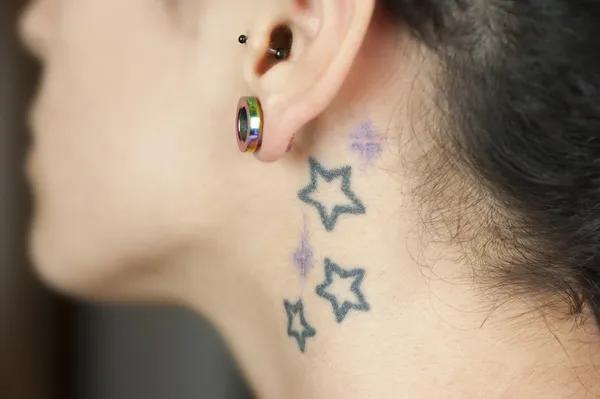
When considering a tattoo, the design is often the first thing that comes to mind. However, equally important is choosing the right placement for your tattoo, as it significantly influences how well it ages over time. The longevity and clarity of a tattoo are affected by several factors including skin type, sun exposure, and body area.
First and foremost, consider areas of your body that experience less friction and stretching. Tattoos on areas like the inner forearm or upper back tend to age more gracefully because these spots are not frequently exposed to constant movement or rubbing against clothing. In contrast, tattoos on hands or feet might blur faster due to frequent use and contact with various surfaces.
Sun exposure plays a critical role in determining how long a tattoo maintains its vibrancy. Areas commonly exposed to sunlight such as arms, shoulders, and neck can cause tattoos to fade more quickly if proper protection isn’t applied regularly. If you opt for these locations, make sunscreen your best friend; applying it diligently will help preserve both color intensity and line sharpness over time.
Skin type also matters when selecting tattoo placement. For example, tattoos on oily skin may require extra care since natural oils can explore our page affect ink retention during healing stages. On the other hand, dry skin might lead to flakier healing processes which could impact ink absorption negatively if not moisturized properly.
Consider personal lifestyle factors too—if you’re an athlete or someone whose work involves physical labor or water exposure (like swimming), certain placements might be less ideal due to increased wear-and-tear potential from repetitive movements or prolonged moisture contact.




0