
Complete Guide to The Role Do Herbal Supplements Play in Boosting Immune Function
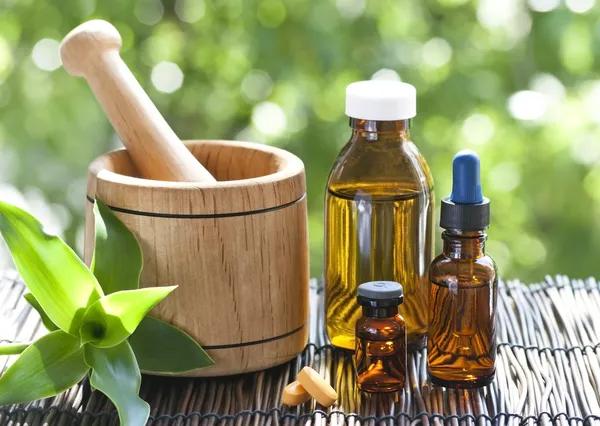
Herbal supplements have been used for centuries across various cultures as natural remedies to support health and well-being. In recent years, there has been a growing interest in understanding how these natural products can enhance immune function. The immune system is a complex network of cells, tissues, and organs that work together to defend the body against harmful invaders like bacteria, viruses, and toxins. A well-functioning immune system is crucial for maintaining overall health and preventing infections.
Herbal supplements are believed to boost immunity by providing essential nutrients, enhancing the activity of immune cells, or exerting antiviral or antibacterial effects. Some popular herbs known for their potential immune-boosting properties include echinacea, elderberry, garlic, ginseng, and astragalus.
Echinacea is one of the most widely used herbs for supporting the immune system. It is thought to stimulate the production of white blood cells and increase cytokine levels—proteins that play a vital role in regulating immunity. Studies suggest that echinacea may reduce the duration of colds when taken at the onset of symptoms.
Elderberry has gained popularity due to its high antioxidant content and potential antiviral properties. Rich in flavonoids like quercetin and anthocyanins, elderberries are believed to inhibit viral replication and prevent viruses from entering healthy cells. Research D8 GAS indicates that elderberry extract might shorten flu duration if taken within 48 hours of symptom onset.
Garlic contains compounds such as allicin which exhibit antimicrobial activities. It is suggested that garlic enhances immune cell function by promoting macrophage activity—a type of white blood cell responsible for engulfing pathogens—and boosting natural killer (NK) cell production.




0