
DIY vs. Professional HVAC Work: Contractor Insights

DIY home improvement has become increasingly popular in recent years, with many homeowners attempting to save money by taking on projects themselves. One area where this trend is particularly noticeable is in the realm of HVAC (heating, ventilation, and air conditioning) work. While there are certainly some tasks that can be handled by a handy homeowner, there are also significant risks associated with DIY HVAC work. Here we will explore these issues from the perspective of professional contractors.
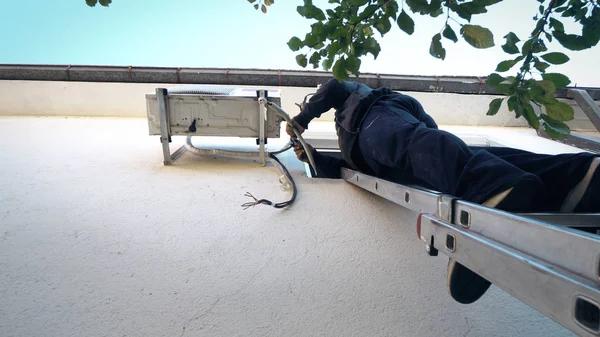
Firstly, it’s important to understand that HVAC systems are complex and delicate. A simple mistake or oversight could lead to serious damage that requires costly repairs or even full system replacement. For instance, installing an air conditioner improperly could result in leaks or poor performance. Similarly, a furnace installed without proper knowledge can lead to dangerous situations such as carbon monoxide leaks.
Moreover, professionals have access to specialized tools and equipment necessary for certain tasks which may not be readily available for homeowners. They also possess the technical knowledge required for diagnosing and fixing intricate issues which might go unnoticed by an untrained eye.
Another major concern when it comes to DIY HVAC work involves safety hazards. Working with gas lines or electrical connections always carries source inherent risk – one wrong move could lead to fires or explosions. Furthermore, handling refrigerants without proper training is illegal due to their potential environmental impact if mishandled.
Conversely though, it’s worth mentioning that not all HVAC tasks require professional intervention – some minor maintenance duties like changing filters or cleaning vents can be safely performed by homeowners themselves.
Professional contractors often stress the importance of regular maintenance performed by trained technicians as a way of preventing larger problems down the line. These routine check-ups allow professionals to catch minor issues before they escalate into major ones – something a DIY approach might miss out on.
From an economic standpoint too, while hiring professionals might seem expensive upfront compared to doing it yourself; considering long-term costs like potential energy inefficiencies from improper installation or hefty repair charges from damage due to incorrect handling, professional work often proves more cost-effective.
In conclusion, while the DIY approach might seem tempting for its immediate cost-saving benefits, it’s important for homeowners to understand the potential risks and hidden costs associated with it. HVAC systems are complex entities that require a certain level of expertise to ensure their proper functioning and longevity. Therefore, when it comes to significant installations or repairs, seeking help from professional contractors is usually the safer and ultimately more economical choice.



0