
Machinery and Equipment Valuation for Insurance and Risk Management
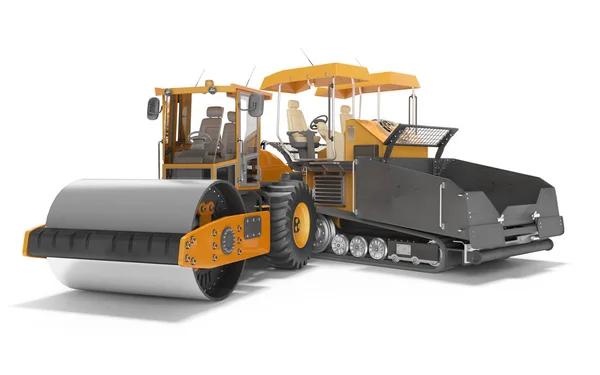
Machinery and equipment valuation for insurance and risk management is a critical component in safeguarding assets within various industries. This process involves determining the accurate worth of machinery and equipment to ensure that they are adequately insured and protected against potential risks. The importance of this valuation cannot be overstated, as it plays a pivotal role in financial planning, investment decisions, and risk mitigation strategies.
Accurate machinery and equipment valuation begins with a thorough understanding of the assets in question. This includes examining their current condition, age, functionality, and market demand. Professional appraisers often conduct detailed inspections to assess these factors accurately. They may also consider historical data on similar equipment sales to establish fair market value or replacement cost new (RCN). These valuations provide essential information for determining appropriate insurance coverage levels.
Insurance companies rely heavily on accurate valuations when underwriting policies for machinery and equipment. Underinsurance can lead to significant financial losses if an asset is damaged or destroyed without adequate coverage to replace it. Conversely, over-insurance results in unnecessarily high premiums that strain operational budgets without providing additional benefits. Therefore, precise valuations help businesses strike a balance between sufficient coverage and cost-effectiveness.
Risk management is another crucial aspect where machinery and browse this page equipment valuation proves indispensable. By understanding the true value of their assets, businesses can identify potential vulnerabilities within their operations. For instance, older machines might pose higher risks due to wear-and-tear or obsolescence compared to newer models equipped with advanced safety features. Recognizing these risks allows companies to implement proactive measures such as regular maintenance schedules or investing in updated technology—thereby minimizing downtime caused by unexpected breakdowns.




0