
Say Goodbye to Allergens with Modern HVAC Solutions

In recent years, the demand for cleaner and healthier indoor air has surged, as people become increasingly aware of the impact of allergens on their health. Allergens such as pollen, dust mites, mold spores, and pet dander can significantly affect individuals with allergies or asthma. Fortunately, modern HVAC (Heating, Ventilation, and Air Conditioning) solutions have evolved to address these concerns effectively.
The primary function of an HVAC system is to regulate indoor temperature and maintain comfort. However, advancements in technology have expanded its role to include improving indoor air quality (IAQ). Modern HVAC systems are now equipped with sophisticated filtration systems designed to capture a wide range of airborne particles. High-efficiency particulate air (HEPA) filters are particularly effective in trapping allergens due to their ability to capture particles as small as 0.3 microns with 99.97% efficiency.
Beyond filtration, some advanced HVAC systems incorporate ultraviolet (UV) light technology that targets biological contaminants like bacteria and mold spores. UV lights installed within the ductwork can neutralize these microorganisms by disrupting their DNA structure, rendering them harmless and preventing them from circulating through the home.
Humidity control is another critical aspect of modern HVAC solutions in combating allergens. Excess humidity creates an ideal environment click for details dust mites and mold growth. Many contemporary systems include dehumidifiers that maintain optimal humidity levels between 30% and 50%, reducing allergen proliferation while enhancing overall comfort.
Moreover, smart thermostats integrated into modern HVAC systems offer enhanced control over IAQ management. These devices allow homeowners to monitor air quality parameters remotely via smartphone apps or home automation platforms. They provide real-time data on temperature fluctuations and humidity levels while offering alerts when filter replacements or maintenance are required.
Energy efficiency is also a hallmark of modern HVAC solutions aimed at reducing allergens without compromising environmental sustainability. Energy-efficient models consume less power while maintaining superior performance standards in filtering airborne pollutants effectively.
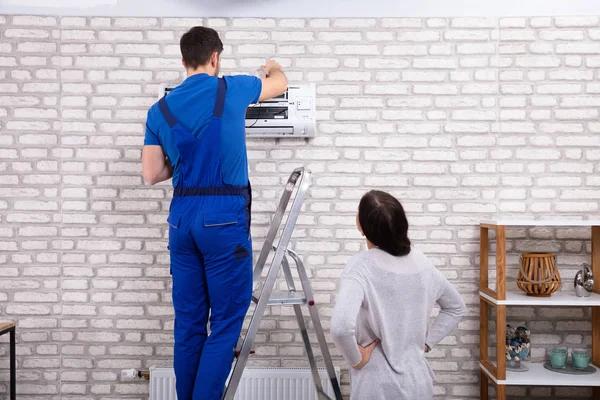
Regular maintenance remains crucial for ensuring optimal performance from any HVAC system designed for allergen reduction purposes; this includes routine inspections by certified technicians who clean components like coils and fans regularly while checking refrigerant levels where applicable too! Regularly replacing filters ensures continued efficacy against unwanted particulates floating around inside living spaces every day!
In conclusion: embracing cutting-edge technologies found within today’s advanced heating/cooling units offers significant benefits beyond just climate control alone—improving both health outcomes associated directly/indirectly linked exposure common household irritants/allergens alike! With growing awareness about importance maintaining good IAQ among consumers worldwide combined ever-evolving innovations industry itself poised make significant strides towards healthier homes everywhere soon enough indeed!

0