
Important Facts About Jewelry Materials Every Piercing Client Should Know
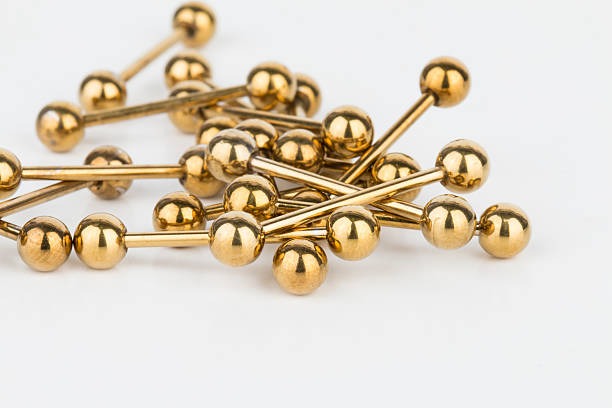
When it comes to body piercings, the choice of jewelry material is not just a matter of style or preference; it’s crucial for safety and comfort. Understanding the properties and potential reactions associated with different materials can help piercing clients make informed decisions that promote healing and prevent complications.
One of the most popular materials used in body jewelry is surgical stainless steel. Known for its durability and resistance to corrosion, this material is often recommended for initial piercings. However, not all stainless steel is created equal. Surgical stainless steel typically contains nickel, which can cause allergic reactions in sensitive individuals. Therefore, those with known metal allergies should consider alternatives.
Titanium offers an excellent substitute as it does not contain nickel and has a high biocompatibility rate. It’s lightweight, strong, and available in various anodized colors without compromising its hypoallergenic properties. This makes titanium a preferred choice click for more information many professional piercers when dealing with clients prone to sensitivities.
Another option gaining popularity is niobium, similar to titanium in terms of being hypoallergenic but slightly heavier. It also allows for anodization into vibrant colors while maintaining its non-reactive nature with bodily tissues.
Gold remains a classic choice due to its aesthetic appeal and status symbol but requires careful consideration regarding quality and purity levels. Only 14k or higher gold should be used in new piercings because lower karat gold contains more alloys that might irritate the skin or lead to infections during the healing process.
Platinum stands out as one of the safest metals for body jewelry due to its purity and inertness. Although more expensive than other options, platinum’s resistance to tarnish makes it ideal for long-term wear without causing adverse skin reactions.
For those seeking organic options, materials like wood, bone, or horn are sometimes used once piercings have healed completely. These natural substances offer unique aesthetics but require diligent care as they are porous materials susceptible to harboring bacteria if not properly maintained.
Plastic polymers such as PTFE (Teflon) or Bioplast provide flexible alternatives suitable for people who need non-metallic options due to medical imaging requirements like MRIs or CT scans since these plastics do not interfere with imaging results.
Understanding these important facts about jewelry materials empowers piercing clients by enabling them to choose pieces that align with their health needs while expressing personal style preferences safely through their adornments. Making informed choices ensures both beauty and well-being go hand-in-hand throughout their piercing journey.




0