
The Science Behind Perfect Popcorn Machines
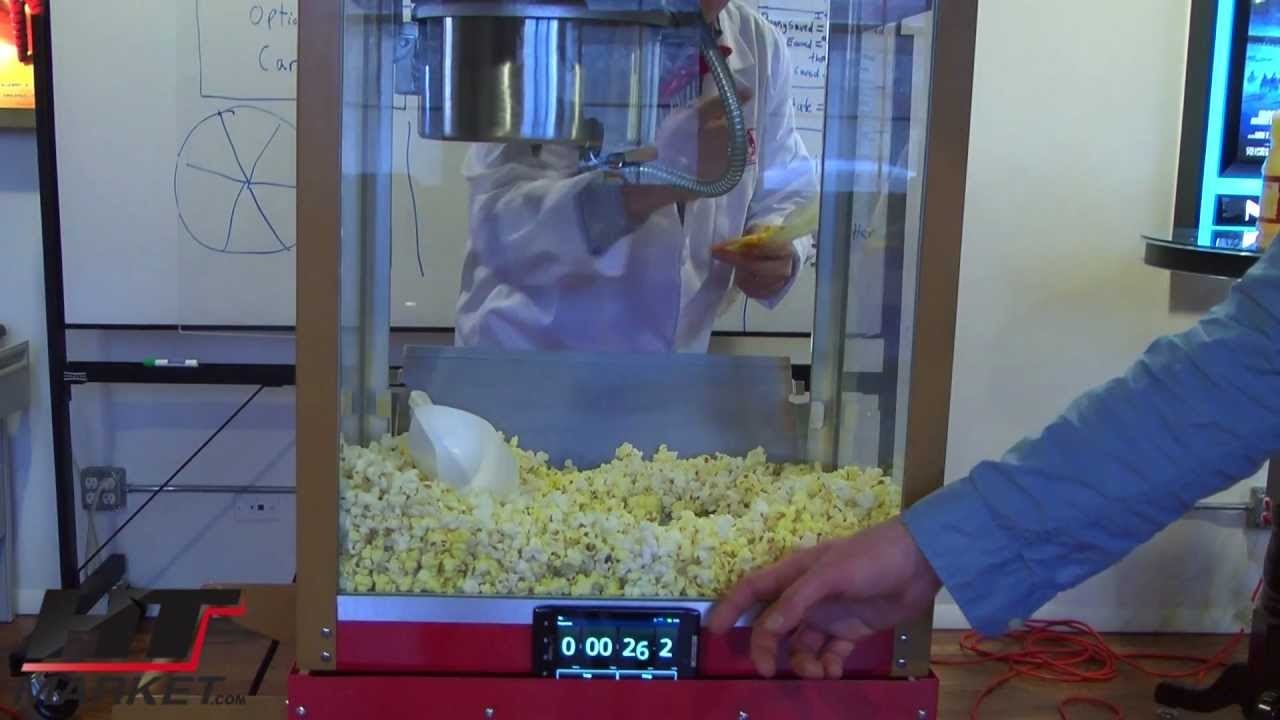
The science behind perfect popcorn machines lies in the precise control of heat, airflow, and moisture to achieve consistent popping results. Popcorn kernels contain a small amount of water inside their starchy interior. When heated, this water turns into steam, building pressure until the kernel’s outer shell bursts open, turning inside out and creating the fluffy snack loved worldwide. The key challenge for popcorn machines is to apply heat evenly and maintain optimal conditions so that most kernels pop without burning or remaining unpopped.
Temperature regulation is critical in popcorn machines because too low a temperature will cause incomplete popping, while excessive heat can burn the kernels or produce bitter flavors. Most commercial and high-quality home models operate within a narrow temperature range around 180 to 190 degrees Celsius (356 to 374 degrees Fahrenheit). At this range, the water inside each kernel vaporizes at an ideal rate to create enough pressure for popping without degrading taste or texture. Machines use thermostats or sensors connected to heating elements such as electric coils or hot air blowers to maintain this balance consistently.
Airflow also plays an important role in ensuring uniform heat distribution throughout the Popcorn Machine‘s chamber. Forced hot air systems circulate warm air rapidly around kernels during popping, which prevents localized overheating and promotes even expansion of each kernel’s starch structure. This circulation reduces clumping by separating popped corn from unpopped kernels efficiently while helping cool popped pieces quickly so they remain crisp rather than soggy. In contrast, traditional stovetop poppers rely on manual stirring combined with direct conduction from heated surfaces but lack automatic airflow control.
Moisture content in kernels before popping significantly affects performance as well. Ideal popcorn moisture ranges between 13% and 14%. If too dry, kernels may not generate sufficient internal steam pressure; if too moist, they risk becoming chewy instead of light and airy after popping. High-end popcorn machines sometimes include preheating stages designed to stabilize kernel moisture levels by gently warming them prior to full cooking cycles.
Additionally, modern designs incorporate non-stick coatings or smooth surfaces inside their chambers that minimize residue buildup from oils or flavorings used during preparation processes. This feature helps preserve consistent heating patterns over time while simplifying cleaning efforts for users.
In summary, perfect popcorn machines stem from careful engineering focused on controlling heat precisely within an optimal temperature band combined with effective airflow management and consideration of kernel moisture content before cooking begins. These factors work together seamlessly through advanced sensors and mechanical design features that ensure every batch produces fluffy popped corn with minimal waste due to burning or unpopped seeds-delivering enjoyable snacking experiences reliably every time.




0