
Tree Pruning and Shaping for a Beautiful Yard
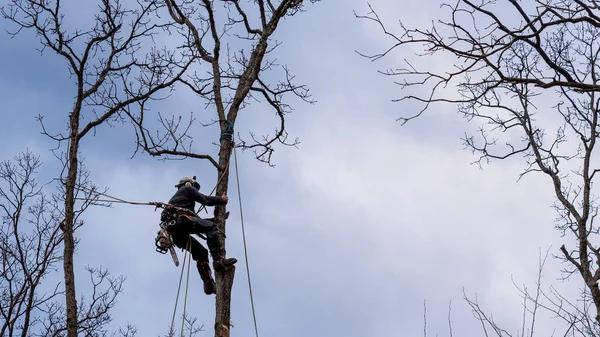
Tree pruning and shaping are essential practices for maintaining a beautiful and healthy yard. Properly pruned trees not only enhance the visual appeal of your outdoor space but also promote the overall health and longevity of the plants. Understanding when and how to prune is crucial for achieving the best results while avoiding damage to your trees. Pruning involves selectively removing branches, buds, or roots to improve tree structure, encourage growth in desired areas, and prevent potential hazards.
One of the primary reasons for pruning is to eliminate dead, diseased, or damaged branches. Removing these parts helps prevent decay from spreading throughout the tree removal and reduces risks associated with falling limbs during storms or high winds. Additionally, cutting away crowded or crossing branches allows more sunlight and air circulation within the canopy. This improved airflow can reduce fungal infections and pest infestations while promoting stronger branch development.
Shaping a tree goes beyond simple maintenance; it involves guiding its natural form into an attractive shape that complements your yard’s design. Different species have unique growth habits that respond well to specific pruning techniques. For example, some trees benefit from thinning cuts that remove entire branches at their origin point to maintain openness without stimulating excessive new growth. Others may require heading cuts where portions of a branch are trimmed back to encourage denser foliage closer to the trunk.
Timing plays an important role in successful pruning efforts. Most deciduous trees should be pruned during dormancy in late winter or early spring before new growth begins because this minimizes sap loss and stress on the plant. However, certain flowering species bloom on old wood may need light trimming after blooming has finished rather than heavy winter pruning so as not to sacrifice flowers for next season.
Using proper tools ensures clean cuts that heal quickly without tearing bark or causing unnecessary injury. Sharp hand pruners work well for small twigs while loppers handle thicker limbs up to two inches in diameter comfortably. For larger branches exceeding three inches across, a pruning saw is necessary for safe removal.
Regular inspection of your trees will help identify areas needing attention before problems escalate into costly repairs or replacements later on. Incorporating routine pruning into your yard care schedule enhances curb appeal by maintaining neat shapes aligned with landscaping goals while supporting robust plant health over time.
By investing time in learning correct techniques tailored specifically toward each type of tree you own along with observing seasonal guidelines you can transform ordinary greenery into stunning focal points within your property’s landscape design through strategic tree pruning and shaping practices that sustain beauty year after year.



0