
Repairing or Replacing Your Roof After Damage: Cost vs. Value
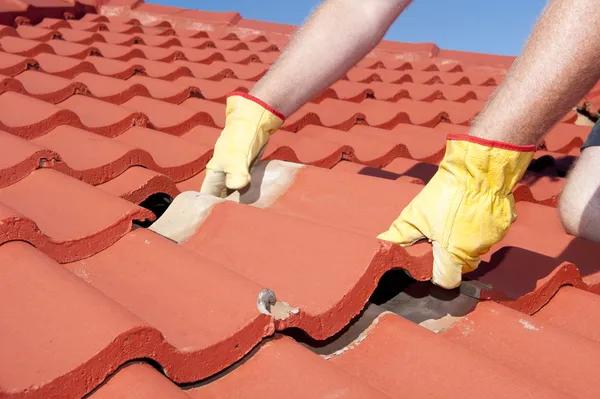
When your roof sustains damage, whether from a storm, aging materials, or unforeseen accidents, the decision to repair or replace it can be daunting. Both options come with their own set of costs and benefits, and understanding the balance between cost and value is critical in making an informed choice.
Repairing a damaged roof is often the more economical option upfront. If the damage is localized—such as missing shingles after high winds or minor leaks caused by wear and tear—repairs can address these issues without requiring extensive work. Roof repairs are typically quicker to execute and less disruptive to daily life. However, while repairs may seem like a budget-friendly solution initially, they might not always offer long-term value. If your roof has underlying structural issues or if it’s nearing the end of its lifespan (usually 20-30 years for asphalt shingles), patchwork fixes could become recurring expenses that add up over time.
On the other hand, replacing your roof represents a significant investment but offers substantial long-term benefits. A new roof not only resolves existing problems but also enhances your home’s overall durability and energy efficiency. Modern roofing materials are designed to withstand harsher weather conditions while improving insulation properties, which can lower utility dive deeper bills over time. Additionally, installing a new roof boosts curb appeal—a crucial factor if you plan to sell your property in the near future—and increases resale value significantly.
Cost vs. value ultimately depends on several factors: the extent of damage, age of your current roof, type of materials used previously versus available upgrades now, and how long you intend to stay in your home. For instance, if you’re dealing with widespread damage on an older roof that’s already past its prime years of serviceability, replacement becomes a smarter financial decision despite its higher initial cost because it eliminates repetitive repair expenses down the line.
Conversely, small-scale damages on relatively newer roofs might warrant simple repairs instead of full replacements since there’s still plenty of life left in those structures.
Consultation with professional roofing contractors can help clarify which path aligns best with both immediate needs and future goals for homeowners facing this dilemma. Weighing short-term affordability against long-term returns ensures you make choices that protect not just your house but also your wallet over time.




0