
The Future of Cooling: Cooler Air Conditioning Explained
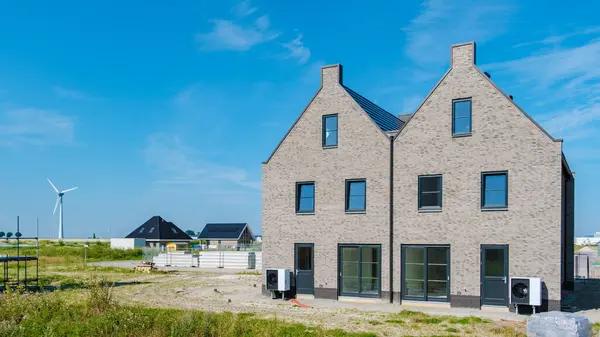
The future of cooling technology is rapidly evolving, driven by the increasing demand for energy efficiency, environmental sustainability, and enhanced comfort. Traditional air conditioning systems have long been effective in controlling indoor temperatures but often come with significant energy consumption and environmental concerns. As global temperatures rise and urban areas become more densely populated, innovations in cooling methods are essential to meet these challenges while minimizing ecological impact.
One promising development is the advancement of “cooler” air conditioning systems that use alternative refrigerants with lower global warming potential (GWP). Conventional refrigerants such as hydrofluorocarbons (HFCs) contribute significantly to greenhouse gas emissions when leaked into the atmosphere. Newer refrigerants like hydrofluoroolefins (HFOs) offer similar or improved cooling performance while drastically reducing environmental harm. This shift not only helps curb climate change but also aligns with stricter international regulations aimed at phasing out harmful substances.
Beyond refrigerant improvements, there is a growing focus on enhancing system design to optimize energy use. Variable speed compressors and smart thermostats enable air conditioners to adjust their operation based on real-time conditions rather than running at full capacity continuously. This results in substantial energy savings without compromising user comfort. Additionally, integrating sensors that monitor humidity and occupancy allows units to tailor cooling precisely where it’s needed most.
Another exciting trend involves passive cooling technologies that reduce reliance on mechanical systems altogether. Innovations such as advanced building materials capable of reflecting heat or absorbing moisture help maintain cooler indoor environments naturally. Green roofs and increased vegetation around buildings also contribute by providing shade and facilitating evapotranspiration-a process where plants release moisture into the air-thereby lowering surrounding temperatures.
Incorporating renewable energy sources further enhances the sustainability of future cooling solutions. Solar-powered Cooler Air Conditioning LLC units are becoming increasingly viable due to declining photovoltaic panel costs and improved battery storage capabilities. These systems can operate independently from traditional power grids during peak sunlight hours, reducing electricity demand and associated emissions.
Moreover, emerging concepts like thermoelectric cooling harness solid-state components without moving parts or fluids typically found in conventional AC units. These devices promise quieter operation, reduced maintenance needs, and greater reliability over time.
As urban populations grow worldwide, ensuring access to efficient and eco-friendly cooling will be crucial for public health and productivity during hotter months. The combined advancements in refrigerant chemistry, intelligent system controls, passive techniques, renewable integration, and novel materials mark a transformative era for air conditioning technology-one focused on delivering cooler spaces responsibly while safeguarding our planet’s future climate stability.
Cooler Air Conditioning LLC
4005 E 11th St, Panama City, FL 32404
850-871-4343


0